
Your Environment is More Powerful Than Your Workout Plan — Here’s the Proof
Most people focus on routines—how often to work out, which exercises to do, or the best training style. However, long-term results often depend more on your workout environment than the plan itself.
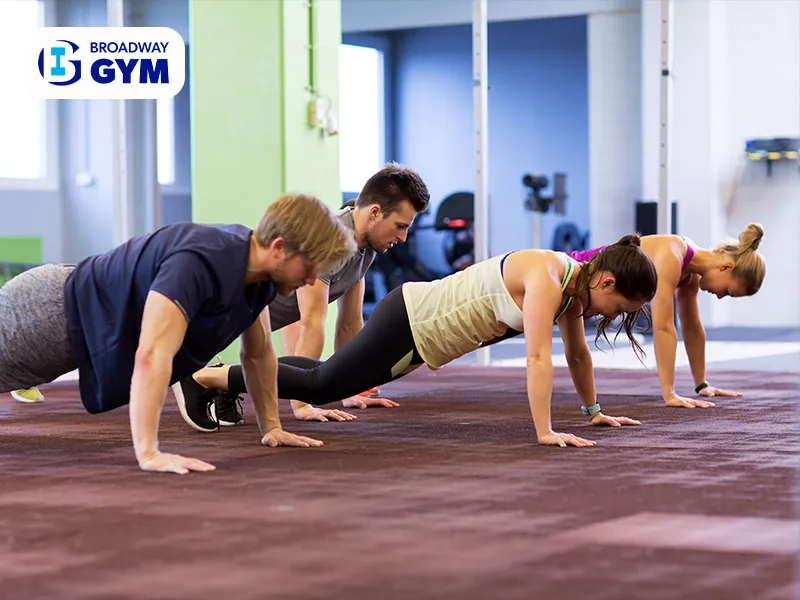
Both research and experience show that your workout environment—people, culture, and structure—significantly impacts your success. Even the best plan relies on its context.
Why Your Environment Shapes Fitness Success
Studies indicate that individuals who exercise in supportive, structured environments — such as group classes or community-focused gyms — are up to 70% more likely to maintain their exercise routines compared to those who train alone. This isn’t just about peer pressure; it’s rooted in psychology. Social dynamics, accountability, and energy transfer enhance adherence, motivation, and even performance.
Your environment also affects your stress levels. According to surveys, almost half of Canadians report that stress is negatively impacting their health. Group training in a positive space reduces anxiety, increases endorphin production, and helps maintain mental focus.
The takeaway is simple: even the best workout plan will underperform without the right environment supporting consistency, confidence, and engagement.
The Science Behind Social Exercise
Humans are inherently social creatures. Behavioral science demonstrates that being part of a community significantly boosts motivation and compliance. The phenomenon known as social facilitation demonstrates that the presence of others can enhance performance on tasks, particularly when those others are engaged in the same activity.
In fitness, this means that when you run, lift, or sweat alongside others, your effort naturally increases. Studies suggest that people working out in groups can see performance improvements up to 200%, compared to exercising alone. The presence of peers triggers natural competitive instincts, encourages accountability, and provides psychological reinforcement that strengthens the formation of habits.
Even more compelling, group environments often improve retention. Individuals attending small-group or community-based fitness sessions are less likely to drop out and more likely to achieve measurable results. In fact, the difference between sticking to a program and quitting often comes down to whether you feel supported, encouraged, and connected.
Running Clubs: The Proven Path to Consistency
Running clubs provide a clear example of environmental influence. Members in organized running groups are six times more likely to maintain a consistent schedule than solo runners. This is partly because the social commitment — showing up for peers — creates accountability, and partly because a structured environment removes the guesswork from planning runs.
Broadway Gym’s Running Club in Tillsonburg exemplifies this approach. Led by Cole Karanja-Serrador, the club meets every Saturday morning to explore scenic Ontario pathways. Beginners and advanced runners alike receive encouragement, tips, and guidance from experienced runners. The combination of coaching, camaraderie, and structure transforms exercise from a chore into an enjoyable ritual.
Regular participation in running clubs also offers mental health benefits. Regular aerobic exercise reduces cortisol, boosts serotonin, and helps manage anxiety. Group running magnifies these effects because social engagement stimulates oxytocin and reinforces positive emotional states. Essentially, running with others not only improves your cardiovascular fitness but also your mood, resilience, and sense of community.
HIIT Classes: Energy, Guidance, and Results
High-Intensity Interval Training (HIIT) is another example of how the environment can amplify results. While HIIT is scientifically proven to burn calories efficiently and improve cardiovascular and muscular fitness, the structure and community of small-group sessions further enhance outcomes.
Women-only HIIT classes at Broadway Gym focus on energy, guidance, and support. With limited class sizes, each participant receives personalized coaching while benefiting from the collective energy of the group. The program acknowledges the distinct physiological characteristics of women, including hormonal fluctuations and recovery needs, thereby creating an inclusive environment for cycle-aware training. Research indicates that women in small-group fitness classes tend to report higher confidence and consistency. Participants are often more likely to push themselves harder, achieve faster results, and maintain a long-term habit.
Beyond the physical benefits, these classes create a safe and empowering environment where women can exercise without intimidation, fear of judgment, or the pressure commonly found in larger, impersonal gyms. This mental freedom translates into stronger commitment, better focus, and more consistent attendance.
The Role of Trainers and Experts
Trainers amplify the effects of a positive environment. According to data from fitness studies, personalized coaching increases performance improvements by up to 45%, while combining structured exercise with nutrition guidance can double or triple fat loss results. Trainers provide real-time feedback, correct form, and design workouts tailored to each individual, ensuring safety and optimal results.
Broadway Gym’s trainers — like Umar Farook, Ashley Wallace, and Alex Chean — exemplify this approach. Each brings certifications, awards, and experience to the table: ISSA certifications, bodybuilding accolades, culinary expertise for nutrition, and real-world training experience. This combination ensures members not only perform exercises correctly but also stay motivated and engaged over the long term.
The presence of an expert in the environment reduces confusion and frustration, minimizes the risk of injury, and increases movement confidence, which research shows grows up to 60% faster with structured guidance.
Environment vs. Motivation
Many fitness programs fail because people rely solely on motivation. Motivation fluctuates daily, week-to-week, and seasonally. Environmental factors, however, provide a constant, reliable cue that encourages adherence regardless of fluctuating internal drive.
For example, committing to a Saturday running club or a Tuesday/Thursday HIIT session establishes a social and structural cue. Missing a session has a social cost — letting the group down — which reinforces attendance. Habit formation is accelerated because behavior is triggered by external cues and supported by positive reinforcement.
Behavioral science frameworks like the Fogg Behavior Model highlight that motivation, ability, and prompts must converge for behavior to happen. A supportive environment ensures all three elements are present: motivation is socially reinforced, ability is supported by coaching, and prompts are consistent through scheduled classes.
Holistic Benefits Beyond the Gym Floor
The benefits of a supportive environment extend beyond physical fitness:
Mental Clarity & Focus: Group training reduces stress and enhances mood.
Social Connection: Fitness becomes a shared, enjoyable activity, reducing feelings of isolation.
Nutrition Habits: Peer influence encourages healthier choices and consistent adherence to meal plans.
Stress Management: Structured environments mitigate cortisol spikes and improve resilience.
Long-Term Adherence: Social reinforcement and accountability help sustain habits for years, not months.
Confidence & Movement Competency: Trainers and peers accelerate skill acquisition, reducing injury risk.
Essentially, the environment you choose dictates not just what you achieve physically, but also how you feel, how often you engage, and whether these behaviors stick.
Practical Tips to Harness the Environment for Maximum Results
To leverage environmental benefits for fitness, consider these strategies:
Join a Group Program: Classes, clubs, or small-group sessions provide built-in accountability and energy.
Find a Supportive Community: Look for inclusive spaces that welcome all levels — beginner to advanced.
Schedule Consistently: Habit formation thrives on repeated cues and structured timing.
Work With Qualified Trainers: Certified professionals provide guidance, corrections, and individualized programming.
Track Progress Socially: Sharing milestones with a community reinforces behavior and builds positive feedback loops.
Even short-term commitments, like a 2-week VIP pass at Broadway Gym, can demonstrate the power of environment in creating lasting change. Experiencing supportive, structured group sessions firsthand often convinces participants of the advantages over solo training.
How Broadway Gym’s Running Club and HIIT Classes Work
Running Club:
Every Saturday morning, runners of all levels explore Ontario’s scenic routes.
Led by an experienced coach, participants receive guidance, tips, and encouragement.
Beginners and advanced runners alike are welcome.
Women-Only HIIT Classes:
Tuesday and Saturday sessions, 8 participants per class for personalized attention.
Focused on strength, endurance, and confidence-building.
Trainers provide real-time corrections and motivation.
Both programs provide an environment where motivation is reinforced, energy is contagious, and habit formation is nearly automatic.
Environment Over Plan
If you want lasting results, focus less on the perfect plan and more on the environment you train in. Supportive communities, structured programs, small-group classes, and expert guidance create a foundation for consistency, confidence, and real transformation.
Broadway Gym’s Running Club and women-only HIIT sessions are ideal examples of this principle in action. They combine social reinforcement, professional guidance, and enjoyable structure to maximize adherence, motivation, and results.
Your results will rarely exceed the quality of the environment you immerse yourself in — choose wisely, and success follows naturally.